Who Do I want to Become?
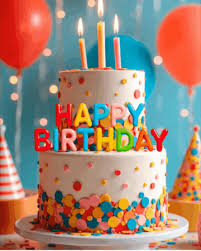
This is a question I ponder as another birthday pushes me into the 60’s. Milestones, such as birthdays, make a person pause and reflect to not only think, ‘wow where did that year go’, but to get excited about the next year ahead and then let go of things that no longer serve you.
What about you? Do birthdays make you take stock of your life to ask yourself what’s working and what’s not?
Or maybe, as a friend of mine said, “Just eat a ton of cake, celebrate and do not think about the weird numbers. Extra cake, extra cake, extra cake!”
It made me laugh and a point well taken – enjoy life!
A life in transition.
Why am I feeling restless? What is important? Who do I want to become moving forward?
These questions circle in my brain as I contemplate another year turning older. From my investigations and enrolment in a course titled, ‘Navigating Transitions’ by MEA (Modern Elder Academy)’, when you hit middle age (40-70+ years, their definition) there are often several transitions that you are going through. And MEA classifies it under six terrains. These six categories show where change commonly concentrates in adult life. These aren’t random categories— they’re the domains that research and experience show are most likely to reorganize, especially in midlife and beyond.[1]
- Psychological Transitions (Overall mental health and states of being)
- Purpose Transitions (Exploring what’s next, greater meaning)
- Personal Transitions (Exploring relationships, home life, location)
- Physical Transitions (Exploring health, body image, and wellness)
- Loss Transitions (Managing grief and death in relationships)
- Professional Transitions (Career, skills, finances, retirement)
For me after taking the transition assessment it appears that I have 7 transitions that I am going through in the categories of:
- Purpose – I am in the midst of an internal shift I can’t explain.
- Physical Transitions – I am managing physical changes linked with aging.
- Loss Transitions – With my father and father-in-law passing away and changes in family dynamics.
- Professional transitions – exploring other fields of interest.
How many transitions do you have in your life right now?

In reading the results from the quiz, it stated, 5-10: Multiple transitions are active. This is the most common range for adults. I guess the old adages of that ‘the only thing in life that is certain is death and taxes’ and ‘change is constant’ are true.
The quiz’s author commented that it is a ‘No Wonder!’ moment is understanding why you might be tired or feeling out of sorts when you are navigating several transitions simultaneously.
I think the biggest transition I am going through, which was triggered by the loss transition, is the purpose transition, which impacts the professional transition. And well, …the physical transition, it is there too, and I am trying! Hormone therapy dosage in a post-menopausal woman is like an intricate puzzle and finding the right pieces (correct dosage) in relation to the other pieces (systems – gut, brain, thyroid and skeletal/muscle), is not easy!
So where do you go from here in navigating change. You have identified that you are in some transitions, now what?
If I take the purpose transition, for example, there is an explanation of not what you think you ‘should’ do, but what do you actually need to be more aligned with your values. It is the evolution of you as different identities change or disappear, e.g. helping Dad with his medical issues (dutiful daughter) and then he passes away and there is a void. The family of origin dynamics shift, and at times, it still feels disorientating. All this reading about transitions eventually led me to the work about the third span.
The Third Span
From the Standford Lifestyle Medicine blog, (Fay & Brock, 2026) the ‘third-span’ is the mindset, joy, purpose, and relationships that allow a person to flourish. The first, is lifespan, the total number of years an individual lives. The second span is health—the number of years we live with minimized disease and preserved physical and cognitive function. Health-span measures how well we function physically and reflects our ability to remain active, independent, and engaged as we age.
The third-span encompasses mindset, purpose, relationships, and joy, which are key factors that shape our emotional and psychological well-being. Far from being “nice-to-have” qualities, these factors are increasingly being recognized as important contributors, not only to mental health, but also physical health and longevity. For example, multiple large-scale studies have found that poor relationship quality and loneliness are associated with increased mortality risk, placing them alongside factors such as smoking, poor diet, and lack of exercise.[2]
Since the third-span is essential for flourishing, how might we cultivate a positive mindset, sense of purpose, quality relationships, and joy in our daily lives? It is equally important as important as physical activity, nutrition and brain health.
Barbara Waxman gerontologist and researcher at Stanford, offers these three steps:
- Track Joy for 30 days: Along with your protein intake, adopt joy as a data point worth tracking. In a culture that prioritizes productivity and performance, intentionally noticing moments of joy can help shift our mindset in a positive direction and help us experience more joy in our daily lives.
- Improve Two Relationships: Reach out to someone you have lost touch with and let them know why they matter to you. At the same time, consider creating a healthy boundary around a relationship or situation that consistently drains your energy.
- Identify Your “Why”: Write down three reasons why you want to flourish. Perhaps it is to hike a specific mountain, see your grandchild graduate from high school, deepen your friendships, or pursue a passion that brings meaning to your life. Writing these reasons down can serve as a reminder of what truly matters to you.[3]
I think this information goes along nicely with the purpose transition I was writing about as it directly relates to who I want to become – more joyful, energetic and compassionate.
What do you think, will you join me in tracking joy for 30 days, reaching out to others to let them know they matter and then identifying your ‘why’?
So in conclusion, let us celebrate, eat cake and enjoy every morsel!


[1] Workbook, 2026, Modern Elder Academy Navigating Transitions Online
[2] Fay & Brock, 2026, https://lifestylemedicine.stanford.edu/thirdspan_of_longevity/
[3] Ob Cit